Finding zafran original in Pakistan can be tricky. With so many sellers offering mixed or low-quality saffron, knowing how to spot the real thing saves you money and ensures you get the pure, aromatic threads that make dishes truly special. Here’s how to tell genuine saffron apart from imitations, and where to buy it with confidence.
Real saffron comes from the Crocus sativus flower, hand-picked at dawn when the stigmas are fully open. Each flower yields just three delicate threads, which is why high-quality saffron is expensive. But not all saffron sold in Pakistan markets or online is what it claims to be. Some sellers mix it with turmeric, beetroot powder, or even artificial dyes to stretch their supply. Others sell old, dried-out threads that lose flavor and color. Learning to spot these differences protects your investment and guarantees the best results in biryani, sweets, or even drinks like saffron milk.
What Does Real Zafran Original Look Like?
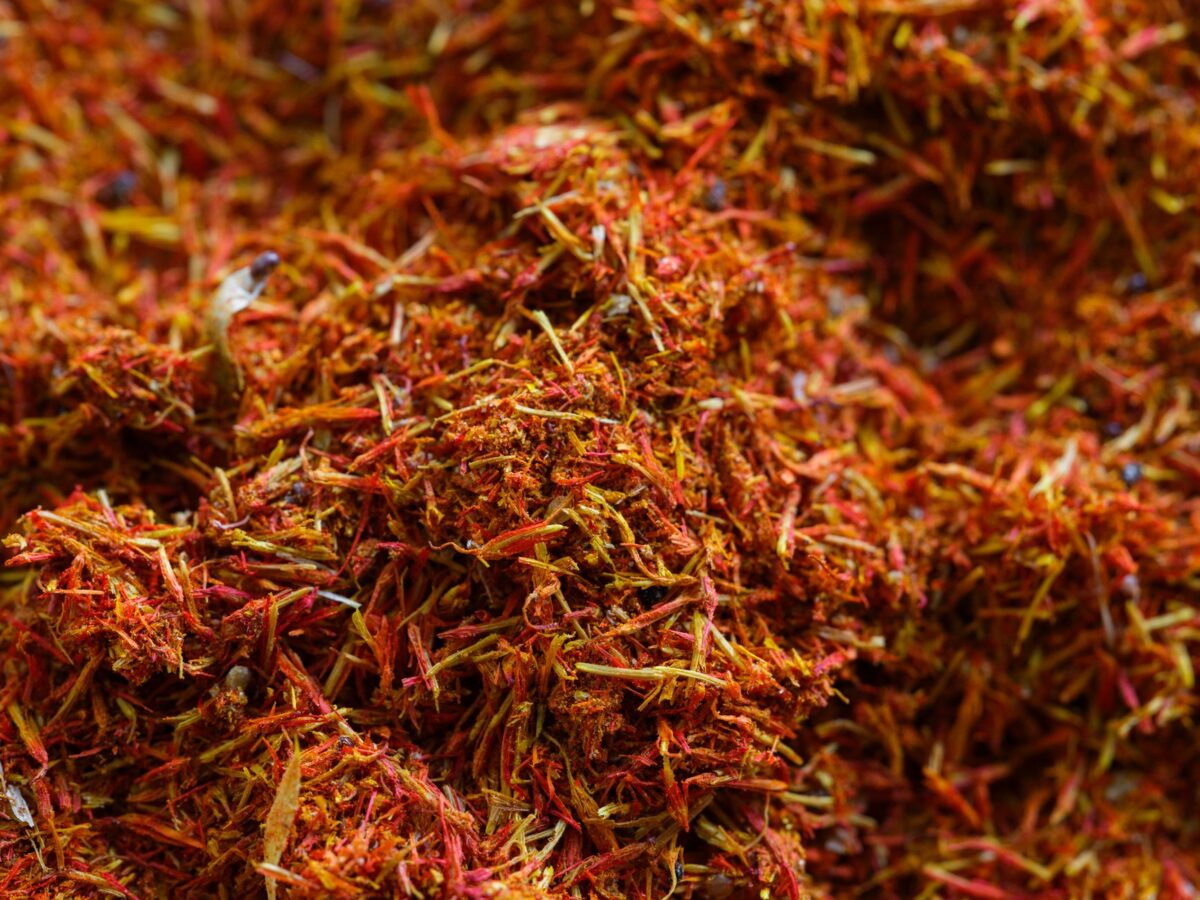
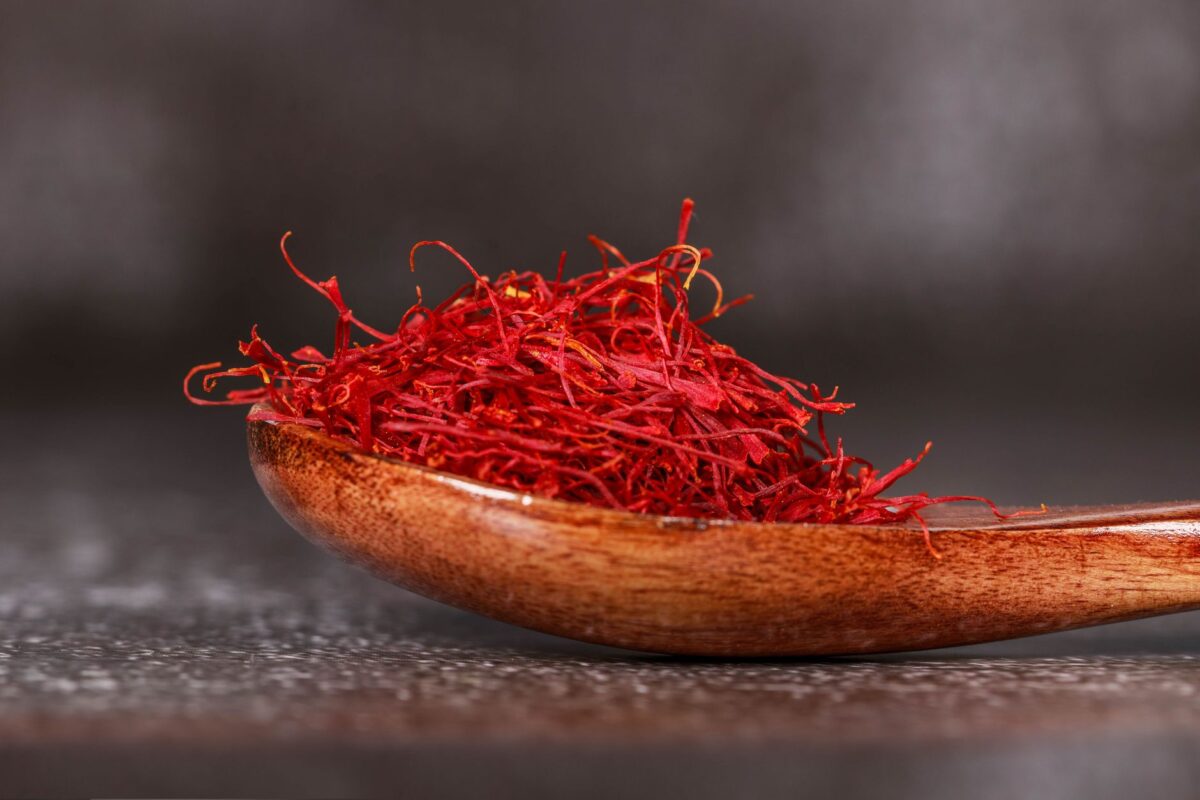
Authentic saffron has three distinct parts: the red stigma, the white style (the stalk), and the yellowish base. All three should be present in every thread. Here’s what to check:
- Color: The threads should be a deep, vibrant red, not orange or yellow. If it looks like turmeric, it’s fake. Real saffron fades to a pale yellow when soaked in warm water, but it never turns bright orange.
- Texture: Genuine saffron feels slightly moist and flexible. Dry, brittle threads have lost their potency. They should also snap easily when bent.
- Aroma: Crush a pinch between your fingers. Real saffron smells sweet, hay-like, and slightly metallic. Fake saffron has no scent or smells like dirt or chemicals.
- Taste: A tiny amount on your tongue should be bitter with a slight sweetness. Imitations taste bland, soapy, or overly bitter.
Another key detail: real saffron is sold in small quantities. If you see large bags or bulk boxes at suspiciously low prices, it’s almost certainly mixed. Saffron is heavy for its size, just 5 grams can cost over PKR 5,000 for top-quality threads.
How to Test Saffron at Home
Before buying, do this simple test: soak 10 threads in 1 cup of warm water for 10 minutes. Then, pour the water into a clean glass. Real saffron will:
- Turn the water a bright golden yellow (not orange or muddy).
- Leave the threads floating, if they sink, they’re old or mixed.
- Release a strong, sweet fragrance when the water cools.
If the water stays clear or smells like nothing, the saffron is fake. This test works even for small purchases, so always ask for a sample before finalizing your order.
Where to Buy Zafran Original in Pakistan
Not all sellers in Pakistan carry genuine saffron. Here’s how to find trusted sources:
1. Specialty Spice Shops and Herbal Stores
Look for shops that focus on pure, single-origin spices. Ask if they source their saffron directly from Kashmir or Iran, these regions produce the finest quality. Avoid general grocery stores or street vendors unless they’ve built a reputation for authenticity. At Chitrali Naturals, our pure saffron (zafran) is hand-picked, deep red, and free from stems or fillers. We also include a small sample with every order so you can test it yourself.
2. Online Marketplaces with Verified Sellers
When buying online, check seller ratings and reviews. Look for:
- Detailed product descriptions mentioning origin (Kashmir, Iran, or Spain).
- Photos showing the threads up close, not just in a pile.
- Sellers who offer returns or refunds if the saffron fails the water test.
Websites like Daraz or local spice exporters often have mixed quality, so always read recent reviews carefully. At Chitrali Naturals, we ship directly from our verified suppliers, so you get traceable, high-quality saffron delivered to your doorstep in Pakistan.
3. Avoid These Red Flags
Walk away from any offer that includes:
- Saffron sold by weight (real saffron is sold by count or in tiny grams).
- Prices below PKR 4,000 per 5 grams for Kashmir saffron.
- Bulk bags without individual thread visibility.
- Sellers who refuse to let you test a sample.
How Much Should You Pay for Zafran Original?
The price of saffron depends on its origin and quality. Here’s a general guide for Pakistan in 2025:
| Type of Saffron | Price per Gram (PKR) | Best For |
|---|---|---|
| Kashmir Saffron | PKR 1,000-1,500 | High-end biryani, sweets, and fine dining. |
| Iranian Saffron | PKR 800-1,200 | Everyday cooking, drinks, and desserts. |
| Spanish Saffron | PKR 600-900 | Budget-friendly but still high quality. |
If you see saffron priced below PKR 500 per gram, it’s likely mixed or low-grade. Remember, you only need a tiny amount, a pinch is enough for most recipes. Our pure saffron is priced fairly and comes with a satisfaction guarantee.
How to Store Zafran Original to Keep It Fresh
Saffron loses its potency quickly if not stored properly. Follow these steps to preserve its flavor and color:
- Keep it in an airtight container, away from light and heat. A small glass jar with a tight lid works best.
- Store it in the fridge or freezer for longer shelf life. It can last up to 18 months this way.
- Avoid plastic bags or open containers, they let moisture and air in, which spoils the threads.
- Buy only what you’ll use within 6 months if storing at room temperature.
Never grind saffron into powder unless you’re using it immediately. Whole threads retain their flavor longer than ground saffron.
Traditional Uses of Saffron in Pakistani Cuisine
Saffron isn’t just for fancy dishes, it’s a staple in many Pakistani homes. Here’s how it’s traditionally used:
- Biryani and Pulao: A few threads soaked in warm milk or water are added to the rice for a fragrant, golden hue and rich flavor.
- Desserts: Kheer, gulab jamun, and shahi tukda often include saffron for color and aroma.
- Drinks: Saffron milk (zafran ka doodh) is a popular remedy for colds and fatigue. Steep 2-3 threads in warm milk for 10 minutes, then strain and drink.
- Marinades: Chicken or fish marinades benefit from saffron’s earthy notes.
- Breads: Some naan or sheermal recipes use saffron for a subtle sweetness.
Even a small amount, just 3-5 threads, enhances dishes without overpowering them. For a ready-to-use blend, try our Premium Gift Box, which includes saffron paired with premium Sidr honey and Shilajit syrup for a wellness boost.
Frequently Asked Questions
Can I mix saffron with other spices to save money?
No, mixing saffron with turmeric or other spices changes the flavor and color of your dish. Turmeric turns food yellow but lacks saffron’s unique aroma and depth. If you’re on a budget, buy smaller quantities of real saffron instead.
How much saffron do I need for a biryani serving 6 people?
For a standard biryani, use 8–10 threads (about 0.3 grams). Soak them in 2 tablespoons of warm milk or water for 15 minutes, then add the liquid to the rice for even distribution.
Is Iranian saffron as good as Kashmir saffron?
Both are high quality, but Kashmir saffron is often considered superior due to its unique terroir. Iranian saffron is still excellent and more affordable, making it great for everyday cooking.
Can I use expired saffron?
Expired saffron loses its color and aroma, so it won’t enhance your dish. If stored properly, saffron lasts 1–2 years. Test it with warm water—if it doesn’t turn golden, replace it.
Where does Chitrali Naturals source its saffron?
Our saffron is sourced directly from Kashmir, hand-picked and dried under controlled conditions. We avoid middlemen to ensure freshness and potency in every batch.