If you’re looking for the latest زعفران ریٹ پاکستان 2025, you’ve come to the right place. As of mid-2025, the price of pure saffron in Pakistan ranges between PKR 28,000 to PKR 35,000 per gram, depending on quality, source, and market demand. This golden spice remains one of the most valuable ingredients in Pakistani kitchens and traditional medicine, but its cost can vary widely, so let’s break down what affects the price and where you can find authentic saffron at fair rates.
Saffron’s value isn’t just about its price tag. For centuries, it has been used in biryani, desserts, and even herbal remedies for its rich aroma and potential health benefits, though results vary from person to person. Whether you’re a home cook, a distributor, or someone exploring its traditional uses, understanding the زعفران ریٹ پاکستان helps you make informed choices. Below, we’ll cover how much saffron costs in Pakistan today, what influences these rates, and where to buy high-quality saffron that delivers on both flavor and authenticity.
Current Saffron Price in Pakistan (2025): How Much Does 1 Gram Cost?
The price of saffron in Pakistan fluctuates based on several factors, but as of 2025, here’s a general breakdown:
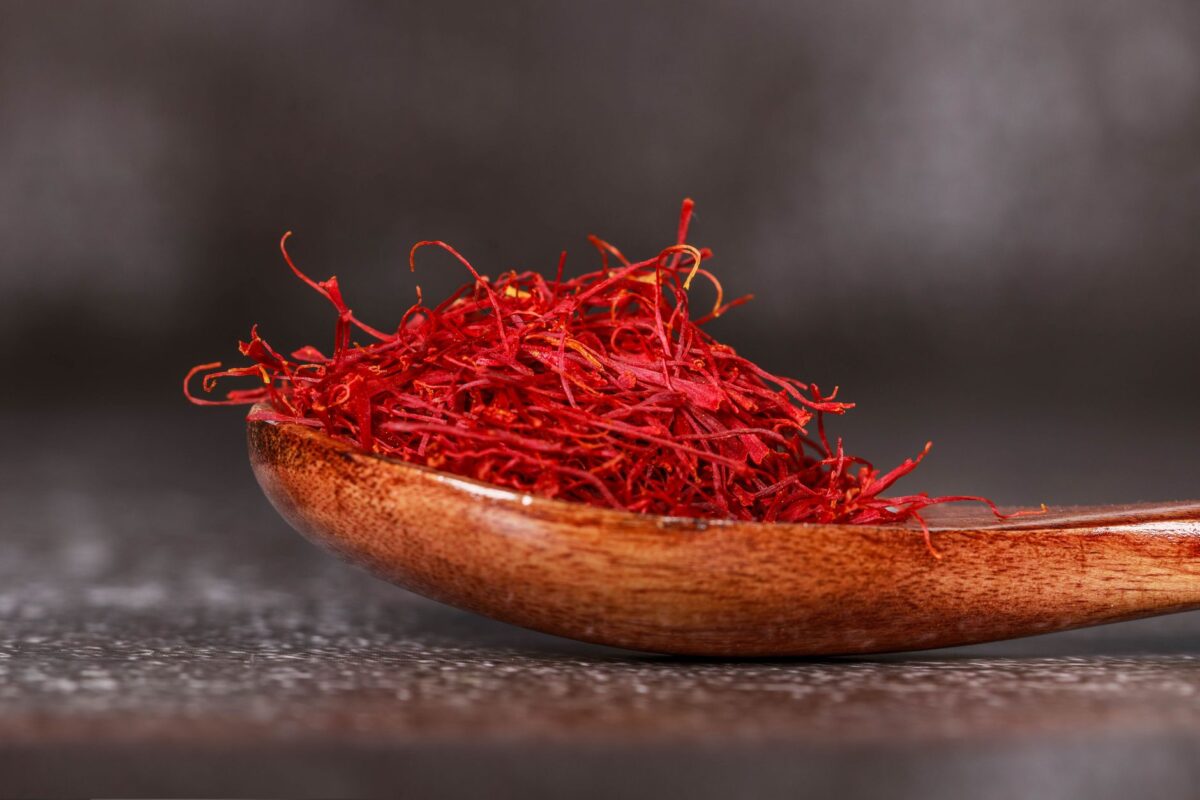
- Grade A (Premium Quality): PKR 30,000 to PKR 35,000 per gram. This is the highest-quality saffron, with long, deep-red threads and no stems or fillers. It’s often sourced from Iran or Kashmir and is preferred for gourmet cooking and traditional remedies.
- Grade B (Standard Quality): PKR 20,000 to PKR 28,000 per gram. This grade may include slightly shorter threads or minor impurities but still maintains strong color and aroma. It’s commonly used in everyday cooking.
- Grade C (Lower Quality): PKR 10,000 to PKR 18,000 per gram. This is often mixed with stems or lower-grade threads and is best avoided for serious cooking or health uses.
Prices can spike during festivals like Eid or weddings, when demand surges. For example, during Ramadan or Eid preparations, the زعفران ریٹ پاکستان might temporarily rise by 10-20%. Always buy from trusted suppliers to avoid counterfeit or adulterated saffron, which can be sold at artificially low prices.
What Affects the Price of Saffron in Pakistan?
The cost of saffron isn’t just about supply and demand, it’s also tied to how it’s grown, harvested, and processed. Here are the key factors:
- Source and Origin: Saffron from Kashmir or Iran is generally more expensive due to its reputation for quality. Pakistani saffron, especially from Gilgit-Baltistan or Chitral, can also command high prices if it meets strict purity standards.
- Harvesting and Processing: Each saffron crocus flower yields only three threads, and harvesting them by hand is labor-intensive. Mechanical processing can reduce quality and lower prices, but authentic saffron is always hand-picked.
- Demand for Culinary and Medicinal Uses: Saffron is a key ingredient in Pakistani dishes like biryani, desserts, and traditional remedies. Its use in Ayurvedic and Unani medicine also drives up demand.
- Market Trends and Festivals: Prices tend to rise before major festivals or during peak cooking seasons. For instance, during the summer months, when biryani and paye are popular, retailers may increase prices.
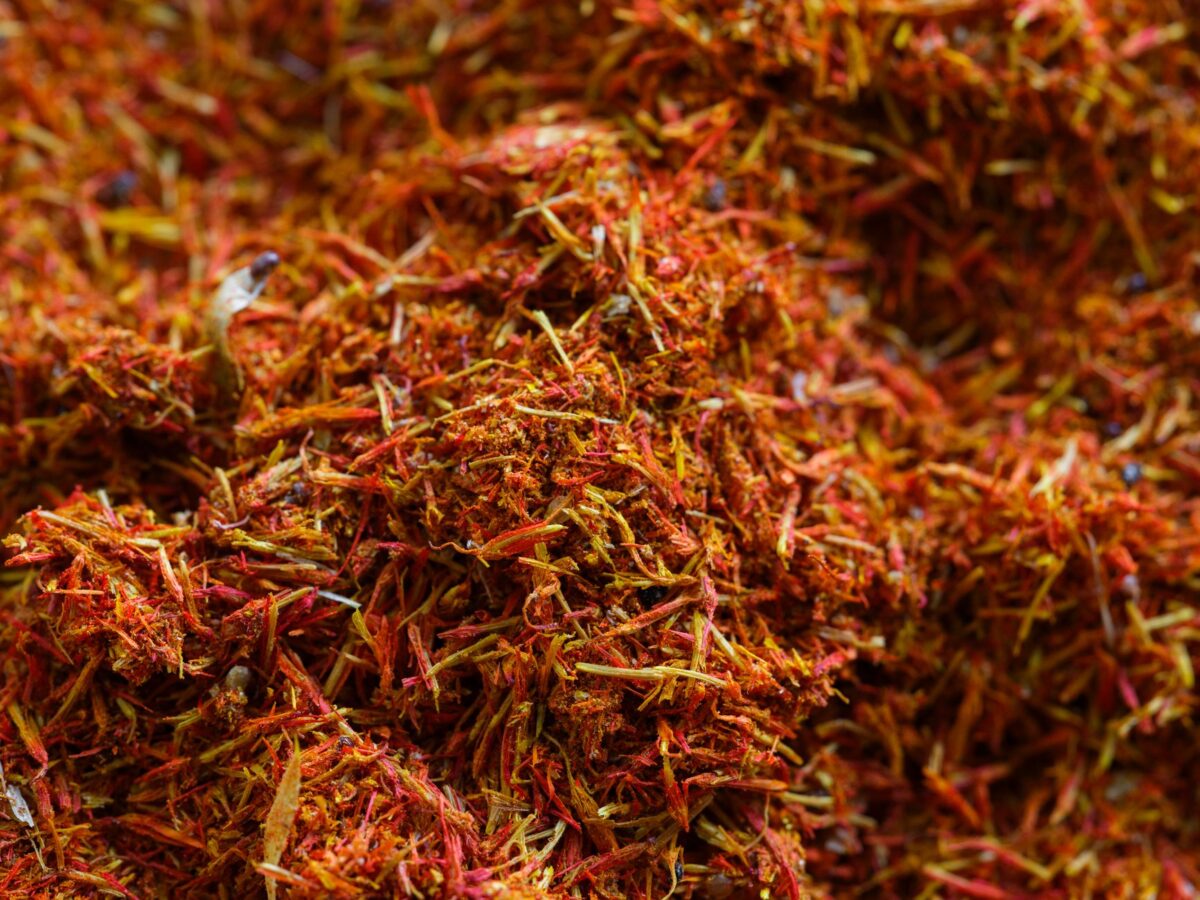
- Adulteration and Counterfeits: Fake saffron, often mixed with turmeric, beetroot powder, or even sawdust, floods the market at lower prices. Buying from unverified sellers can lead to disappointment in both taste and supposed health benefits.
If you’re unsure about the quality of saffron you’re buying, look for these signs of authenticity:
- Deep red-orange threads with no yellow or brown tint.
- A strong, floral aroma when crushed between fingers.
- No stems, sand, or other impurities.
- A reputable seller who provides certificates of authenticity.
Where to Buy Authentic Saffron in Pakistan at Fair Prices
Not all saffron sold in Pakistan is created equal. To ensure you’re getting genuine, high-quality saffron at a reasonable زعفران ریٹ, consider these options:
1. Online Retailers with Verified Sources
Buying saffron online can be convenient, but it’s crucial to choose a seller with a track record of authenticity. At Chitrali Naturals, we source our pure saffron directly from trusted suppliers in Kashmir and Gilgit-Baltistan. Our saffron is:
- Hand-picked with no stems or fillers.
- Tested for purity and potency.
- Packaged to preserve freshness.
- Sold at competitive rates without compromising quality.
Online purchases also allow you to compare prices easily and read reviews from other customers. Always check for secure payment options and clear return policies in case of authenticity concerns.
2. Local Markets and Specialty Stores
Traditional markets in Lahore, Karachi, and Peshawar often have stalls dedicated to spices, including saffron. However, the risk of counterfeit products is higher in crowded bazaars. To minimize this risk:
- Ask the seller for a sample to test the color and aroma.
- Inquire about the source, authentic saffron should trace back to Kashmir, Iran, or Gilgit-Baltistan.
- Avoid bulk packs unless you’re certain of the seller’s reputation.
If you’re in a city with a large expat community, specialty spice shops catering to international customers may offer better-quality saffron at fair prices.
3. Wholesale and Bulk Purchases
If you’re buying saffron for resale, weddings, or large-scale cooking, wholesale purchases can offer better rates. However, wholesale زعفران ریٹ پاکستان often requires a minimum order quantity (MOQ) and may not always guarantee premium quality. Always request a sample before committing to a bulk order.
At Chitrali Naturals, we also offer bulk discounts for businesses and distributors. If you’re looking to stock up for your shop or home, our premium gift boxes include saffron paired with other high-quality Himalayan ingredients, making them a great value for both gift-giving and personal use.
How Much Saffron Should You Use?
Saffron is potent, so a little goes a long way. The amount you use depends on the recipe, but here are some general guidelines:
- For Rice Dishes (e.g., Biryani, Pulao): 4-6 threads per cup of rice. Soak the threads in warm water for 10-15 minutes before adding to the rice to release their color and flavor.
- For Desserts (e.g., Kheer, Gulab Jamun): 2-4 threads per liter of milk or dairy base. Crush the threads lightly to enhance their aroma.
- For Drinks (e.g., Saffron Milk, Tea): 1-2 threads per cup of liquid. Steep for 5-10 minutes to avoid bitterness.
- For Medicinal Uses: Traditional practices often recommend 1-2 threads in warm milk or honey, but consult a healthcare provider before use, as individual responses vary.
Remember, saffron is expensive, so using it sparingly ensures you get the most out of each gram. If you’re new to cooking with saffron, start with small quantities to avoid overpowering your dish.
Is Saffron Worth Its Price?
This is a question many ask, especially given the high زعفران ریٹ پاکستان. The answer depends on how you plan to use it:
- Culinary Use: Authentic saffron adds a unique flavor and vibrant color to dishes that synthetic alternatives can’t match. For special occasions like Eid or weddings, its cost is justified by the enhanced taste and presentation.
- Health and Wellness: While some studies suggest saffron may have antioxidant properties and could support mood or digestion, these benefits are not guaranteed for everyone. It’s not a miracle cure, but many people incorporate it into their routines for its traditional uses.
- Investment Potential: High-quality saffron holds its value and can even appreciate over time, especially if stored properly in an airtight container away from light and moisture.
If you’re unsure about investing in pure saffron, consider trying smaller quantities first. Our pure saffron is sold in small, manageable amounts, allowing you to test its quality and benefits without a large upfront cost.
How to Store Saffron to Preserve Its Quality
Saffron loses its potency and aroma over time, especially when exposed to light, heat, or moisture. To keep your saffron fresh:
- Store it in an airtight container, preferably a small glass jar or tin.
- Keep it in a cool, dark place, such as a pantry or refrigerator. Avoid the freezer, as temperature fluctuations can degrade its quality.
- Avoid touching the threads with your fingers, as natural oils can reduce their shelf life. Use a small spoon or your fingers wrapped in paper.
- Label the container with the purchase date to track freshness. High-quality saffron can last up to 2 years if stored properly.
If your saffron loses its vibrant color or strong aroma, it may have gone stale. In that case, it’s best to replace it, as stale saffron won’t deliver the same flavor or potential benefits.
Frequently Asked Questions
What is the difference between Iranian and Kashmiri saffron?
Iranian saffron is often considered the gold standard due to its long, thick threads and intense flavor. Kashmiri saffron, while slightly shorter, is prized for its deep red color and is commonly used in Pakistani cuisine. Both are high-quality, but Iranian saffron tends to be more expensive. The choice between the two often comes down to personal preference and budget.
Can I use saffron for weight loss or energy?
Some traditional practices suggest saffron may support digestion or energy levels, but there’s no scientific consensus that it causes weight loss. A few studies have explored its potential effects on mood and appetite, but results vary widely. If you’re using saffron for health reasons, consult a healthcare provider first, especially if you have underlying conditions or are taking medications.
How do I know if my saffron is real?
Real saffron should be deep red with no yellow or brown streaks. When crushed, it should release a strong, floral aroma. Avoid saffron that looks like powder or has an unusually low price, these are often signs of adulteration. Buying from trusted sellers like Chitrali Naturals reduces the risk of counterfeit products.
What’s the best way to use saffron in tea?
For tea, steep 1-2 threads in a cup of hot water for 5-10 minutes. You can also crush the threads lightly to release more flavor. Add honey or lemon if desired. Avoid boiling saffron, as it can turn bitter. This method is popular in traditional remedies for relaxation and digestion.
Is it safe to consume saffron daily?
Consuming small amounts of saffron daily is generally considered safe for most people, but excessive intake can cause side effects like nausea or allergic reactions. The recommended daily limit is usually 1-2 grams (about 100-200 threads), but this can vary based on individual health. If you’re unsure, start with smaller amounts and monitor your body’s response.
Final Thoughts: Making the Most of Your Investment
The زعفران ریٹ پاکستان 2025 reflects its status as a premium ingredient, but with the right knowledge, you can enjoy its benefits without overspending. Whether you’re using it for cooking, gifting, or traditional wellness, choosing authentic saffron ensures you get the best flavor and potential advantages.
At Chitrali Naturals, we’re committed to providing high-quality Himalayan ingredients, including our pure saffron. If you’re ready to experience the difference of genuine saffron, explore our collection today. For those looking to combine saffron with other natural wellness products, our premium gift boxes offer a curated selection of Himalayan treasures, perfect for gifts or personal use.
Visit our website to browse our products, learn more about their benefits, and shop with confidence. Your journey to authentic, high-quality saffron starts here.
Frequently asked questions
ایرانی اور کشمیری زعفران میں کیا فرق ہے؟
ایرانی زعفران زیادہ لمبی اور مضبوط ہوتی ہے اور اس کی قیمت بھی زیادہ ہوتی ہے۔ کشمیری زعفران چھوٹی لیکن گہرے رنگ کی ہوتی ہے اور پاکستانی پکوان میں زیادہ استعمال ہوتی ہے۔ دونوں کی کیفیت بہترین ہوتی ہے لیکن قیمت میں فرق ہوتا ہے۔
کیا زعفران وزن کم کرنے یا توانائی بڑھانے میں مدد کرتی ہے؟
کچھ روایتی استعمال میں زعفران کو ہضم اور توانائی کے لیے مفید سمجھا جاتا ہے لیکن کوئی علمی ثبوت نہیں ہے کہ یہ وزن کم کرنے میں مدد کرتی ہے۔ کچھ مطالعات اس کے مزاج پر اثر انداز ہونے کا حوالہ دیتے ہیں لیکن نتائج مختلف ہوتے ہیں۔
کیا میری خریداری کی گئی زعفران اصل ہے؟
اصل زعفران گہرے لال رنگ کی ہوتی ہے اور اسے چھوڑنے پر مضبوط گلابی بو آتی ہے۔ اگر زعفران پاؤڈر کی طرح نظر آتی ہے یا بہت سستی ہے تو یہ جالاکی کا نشان ہو سکتا ہے۔ چترالی نیچرلز جیسی قابل اعتماد دکانوں سے خرید کریں۔
چائے میں زعفران کیسے استعمال کریں؟
چائے میں 1-2 تار گرم پانی میں 5-10 منٹ تک بھینگو دیں۔ اگر چاہیں تو اسے ہلکا ہاتھ سے پیس کر زیادہ بو نکال سکتے ہیں۔ شکر یا نیبو شامل کر سکتے ہیں۔ زعفران کو نہ بھانپیں کیونکہ یہ تلخ ہو سکتی ہے۔
کیا روزانہ زعفران کھانا सुरक्षیت کے ساتھ ہے؟
کوئی بھی شخص روزانہ تھوڑی مقدار میں زعفران کھا سکتا ہے لیکن زیادہ مقدار سے پیٹ درد یا एलرجی ہو سکتی ہے۔ روزانہ کی سفارش شدہ مقدار 1-2 گرام (تقریباً 100-200 تار) ہوتی ہے لیکن یہ صحت کی حالت پر منحصر ہے۔